You Won’t Believe What I Found at Dublin’s Festivals
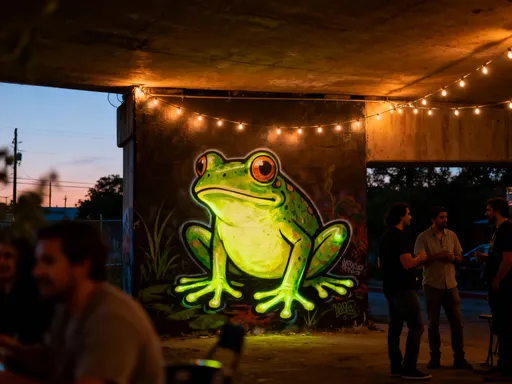
Dublin isn’t just about Guinness and old pubs—its festival scene is next-level. I went in expecting music and crowds, but left stunned by street art, hidden parades, and spontaneous dance-offs in cobbled squares. Every corner buzzed with creativity. If you think festivals are just noise and beer, Dublin will flip your script. This city turns celebration into pure magic—raw, local, and utterly unforgettable. From the hush of a poetry reading in a tucked-away courtyard to the roar of a brass band leading a surprise procession through Temple Bar, Dublin’s festivals are not performances behind glass but living, breathing experiences. They invite you in, not to watch, but to join. This is where culture isn’t preserved—it’s practiced.
The Pulse of Dublin: Why Festivals Define the City’s Soul
Dublin’s spirit pulses strongest during its festivals, when the city sheds its everyday rhythm and steps into a collective celebration of identity, art, and community. These events are not mere entertainment; they are expressions of a deep cultural heartbeat that has been shaped by centuries of storytelling, resistance, resilience, and reinvention. Unlike commercialized spectacles seen in other capitals, Dublin’s festivals retain an authenticity rooted in local pride and creative independence. Whether honoring literary giants like James Joyce and Oscar Wilde or amplifying the voices of emerging artists, the city uses these gatherings to reflect on who it has been and who it is becoming.
One of the most significant markers of this cultural rhythm is the Dublin Theatre Festival, the oldest annual theatre festival in the world, launched in 1957. It transforms the city into a stage—literally and figuratively—drawing international productions to venues like the Abbey Theatre and Project Arts Centre while also spotlighting homegrown talent. What sets it apart is its commitment to innovation and accessibility, with many performances offered at modest prices or even free of charge. This inclusivity ensures that art is not reserved for elites but shared across generations and social backgrounds, reinforcing the idea that culture belongs to everyone.
Equally emblematic is the St. Patrick’s Festival, a multi-day celebration that transcends the clichés of green beer and parades. While the grand procession through the city center draws tens of thousands, the true essence lies in the satellite events—community-led lantern walks, outdoor film screenings, and family workshops in parks and libraries. These moments reflect a national holiday reimagined not as a tourist attraction but as a civic celebration. The festival’s theme changes annually, often focusing on unity, creativity, or environmental awareness, showing how tradition can evolve without losing its soul.
What makes Dublin’s festival culture so compelling is the way it balances reverence for heritage with bold experimentation. Music, literature, theater, and visual art are not siloed but woven together in unexpected ways. A spoken word performance might be followed by a trad session in the same hall; a historical walking tour could end with a pop-up dance party in a disused warehouse. This fluidity encourages visitors to see the city not as a static monument but as a dynamic participant in its own story. Timing a trip to align with one of these festivals doesn’t just enhance a visit—it deepens it, offering a rare chance to witness a city fully alive in its own skin.
Street-Level Magic: What It Feels Like to Be in the Middle of the Action
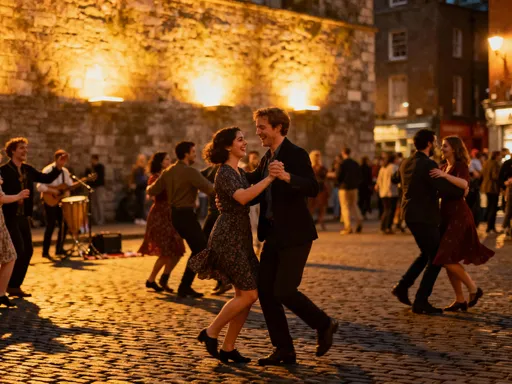
To walk through Dublin during festival season is to step into a living mosaic of sound, color, and human connection. The ordinary rules of urban life seem to soften, replaced by a sense of possibility. A quiet alleyway becomes a stage for a solo violinist whose melody draws a crowd within minutes. A group of dancers in mismatched costumes bursts into a choreographed routine outside a café, clapping patrons on the shoulder to join in. These are not staged attractions but organic eruptions of joy—unrehearsed, unannounced, and utterly magnetic.
The sensory experience is unforgettable. The scent of spiced cider and roasted chestnuts drifts from food stalls tucked between art installations. Buskers line Grafton Street and Dame Lane, not just playing covers but reimagining folk songs with electronic beats or jazz improvisations. In the evenings, strings of fairy lights glow above pedestrianized zones, casting a golden hue on smiling faces. Laughter echoes off centuries-old stone walls, blending with the rhythm of bodhráns and tin whistles. There’s a warmth in the air that goes beyond temperature—it’s the feeling of being part of something communal, even if you arrived alone.
One of the most powerful aspects of Dublin’s festival energy is how effortlessly it dissolves barriers between performer and audience. At a flash mob in Meeting House Square, a woman in her fifties finds herself pulled into a circle dance by a group of teenagers. A father lifts his child onto his shoulders to catch a glimpse of a puppet show unfolding on a mobile cart. These moments are not curated for social media—they happen because people choose to engage, to be present, to play. And in that playfulness, something deeper emerges: a shared recognition of joy as a universal language.
Even the weather seems to cooperate, or at least be embraced. A sudden shower during Culture Night doesn’t clear the streets—it sends people laughing into doorways, huddling under awnings to share stories and snacks until the rain passes. Moments later, the music starts again, louder now, as if the city itself is shrugging off the damp and dancing harder. It’s in these unpredictable, unpolished instances that the true magic of Dublin’s festivals reveals itself—not in perfection, but in authenticity. You don’t need a ticket to be part of it. You just need to be willing to look up, listen, and maybe, just maybe, join the circle.
Beyond the Crowds: Discovering Off-the-Beaten-Path Festival Moments
While the main stages and headline acts draw the largest audiences, some of the most meaningful festival experiences in Dublin happen quietly, away from the spotlight. These are the moments that don’t appear on official schedules—the impromptu trad session in a backroom pub, the neighborhood street party with homemade banners, the small gallery opening where the artist serves tea and scones to guests. They require no ticket, little planning, and often no prior knowledge. But they offer something priceless: a glimpse into the city’s intimate, everyday creativity.
Culture Night, held annually in September, is one of the best opportunities to discover these hidden gems. On this one evening, museums, studios, and performance spaces across the city open their doors for free, often with special programs designed for local engagement. While major institutions like the National Gallery attract lines, quieter events unfold in places like the Bernard Shaw in Portobello or the Goethe-Institut on Merrion Square. A poetry reading in a bookshop basement, a silent disco in a community garden, a mural-painting workshop for children—these are the kinds of experiences that feel personal, spontaneous, and deeply rooted in place.
Another way to access Dublin’s underground festival culture is by venturing beyond the city center. Neighborhoods like Ranelagh, Phibsborough, and Inchicore host their own smaller-scale celebrations during major festival periods. A local community center might organize a storytelling night featuring Dublin-born authors, or a corner pub could host a “session trail” where musicians rotate between venues. These events are rarely advertised beyond word of mouth or neighborhood notice boards, which makes them feel like discoveries rather than destinations. Yet they offer a more grounded sense of how Dubliners themselves celebrate their city.
Finding these moments requires a shift in mindset—from ticking off attractions to embracing curiosity. Instead of following a strict itinerary, allow time for wandering. Turn down a side street that looks interesting. Pop into a church hosting a choral performance. Strike up a conversation with a local vendor or a street performer. Many Dubliners are happy to share their favorite spots, especially when they sense genuine interest. The city rewards those who travel not just with maps, but with open eyes and open hearts. And often, the most unforgettable memory isn’t the concert you planned—it’s the singalong you stumbled into by accident.
Getting There & Getting Around: Smart Moves for Festival Travelers
Reaching Dublin for its festival season is easier than ever, thanks to its well-connected transport network. Most international visitors arrive at Dublin Airport, located about 10 kilometers north of the city center. From there, the Aircoach and Dublin Bus services offer frequent, reliable transfers to key locations like O’Connell Street, Temple Bar, and Heuston Station. For those prioritizing comfort and convenience, pre-booked taxi or shuttle services are widely available and reasonably priced, especially when shared with travel companions.
Once in the city, Dublin’s compact size makes it highly walkable, particularly during festivals when many central streets are pedestrianized. However, public transportation remains essential for covering longer distances or avoiding fatigue during back-to-back events. The Luas light rail system is a festival traveler’s best friend, with two main lines—the Red Line and Green Line—connecting major neighborhoods and venues. During peak festival periods, service frequency increases, and real-time updates are available through the Transport for Ireland app, which also provides journey planning, fare information, and alerts for delays or route changes.
The DART (Dublin Area Rapid Transit) is another efficient option, especially for those staying near the coast or planning day trips to nearby towns like Howth or Dun Laoghaire. It runs along the Dublin Bay coastline, offering scenic views and quick access to northern and southern suburbs. For shorter hops, Dublin Bikes—a public bike-sharing system—provides an eco-friendly and flexible way to navigate the city. Stations are located throughout the center, and 30-minute rides are included in the basic membership, making it ideal for quick dashes between festival zones.
To maximize convenience, consider purchasing a Leap Card, a reusable smart card accepted on all forms of public transport. It offers discounted fares compared to cash payments and can be topped up online or at convenience stores. For festival-goers attending multiple events, the savings add up quickly. Additionally, many festivals partner with transport authorities to offer special event-day passes or extended service hours, ensuring that late-night performances don’t leave attendees stranded. Planning your routes in advance, downloading offline maps, and keeping the local transit app open can make all the difference in staying relaxed and on schedule.
Where to Stay: Matching Your Vibe to the Right Neighborhood
Choosing where to stay in Dublin during festival season can significantly shape your experience. The city’s neighborhoods each have distinct personalities, and aligning your accommodation with your travel style ensures both comfort and convenience. Proximity to festival hubs matters, but so does atmosphere—whether you crave energy and nightlife or quiet charm and local flavor.
Temple Bar remains the most popular choice for festival visitors, and for good reason. As the cultural heart of the city, it hosts a high concentration of events, venues, and street performances. Staying here means you’re steps away from live music, art galleries, and pop-up installations. The area buzzes late into the night, making it ideal for those who want to immerse themselves fully in the festival spirit. Accommodation ranges from lively hostels to stylish boutique hotels, though prices rise during peak seasons. Booking several months in advance is strongly recommended, especially for larger festivals like St. Patrick’s or the Theatre Festival.
For a more residential feel without sacrificing access, Rathmines is an excellent alternative. Located just a short bus or Luas ride from the center, it offers a mix of guesthouses, B&Bs, and self-catering apartments. The neighborhood has a strong local identity, with independent cafés, bookshops, and pubs that see fewer tourists. It’s a great base for travelers who want to balance festival excitement with moments of calm. The tree-lined streets and proximity to Ranelagh Village provide a refreshing contrast to the city’s busier zones.
Smithfield, once an industrial area, has transformed into a modern cultural district with a growing number of hotels and serviced apartments. Home to the Light House Cinema and adjacent to the bustling Smithfield Square, it offers a blend of contemporary comfort and artistic energy. The area is well-connected by the Luas Red Line and within walking distance of major venues like the Convention Centre Dublin and Vicar Street. It’s particularly appealing to those attending music or film festivals who value both convenience and a quieter retreat at the end of the day.
No matter which neighborhood you choose, consider the trade-offs between location, cost, and atmosphere. Early booking guarantees better rates and availability, but last-minute deals can sometimes be found if you’re flexible. Look for accommodations with good transport links, positive reviews regarding cleanliness and hospitality, and amenities like luggage storage or breakfast service. A well-chosen base doesn’t just provide rest—it enhances your entire festival journey.
Fueling the Fun: Eating and Drinking Like a Festive Local
Festival life in Dublin is as much about nourishment as it is about entertainment. The city’s food and drink culture doesn’t pause during celebrations—it intensifies. Pubs stay open later, food trucks line the streets, and cafés extend their hours to accommodate night owls and early risers alike. Eating and drinking become integral parts of the festival rhythm, offering not just sustenance but connection, comfort, and celebration.
Pubs, of course, remain central to the experience. But during festivals, they transform. A traditional neighborhood pub might host a live band in the corner, while another becomes a pop-up venue for comedy or poetry. The menu often expands beyond standard fare—think gourmet fish and chips, whiskey-infused stews, or vegetarian boxty, a traditional Irish potato pancake with modern twists. These meals are more than just food; they’re moments of pause, conversation, and recharging between events.
Street food also takes center stage, with vendors offering everything from gourmet burgers and wood-fired pizza to Korean-Irish fusion and artisanal ice cream. At events like the Dublin Food Festival or Culture Night, entire zones are dedicated to culinary exploration. These are perfect opportunities to try bold flavors without committing to a full restaurant meal. Many food trucks also cater to dietary needs, offering gluten-free, vegan, and dairy-free options that reflect the city’s growing inclusivity.
For a truly local experience, seek out cafés that stay open late during major festivals. Places like 3fe or Vice Versa are known for their expertly crafted coffee and relaxed atmospheres, making them ideal spots for recharging your phone, reviewing your schedule, or journaling about the day’s highlights. Some even host quiet acoustic sets or book readings, blending café culture with festival programming. Pairing a warm drink with a slice of homemade cake while watching the world go by is one of Dublin’s simple but profound pleasures.
And while Guinness flows freely, don’t overlook Dublin’s craft beer and cider scene. Microbreweries like Against the Grain and The Brew Dock offer tastings and tours, often tied to festival events. Even non-drinkers have options—artisanal soft drinks, herbal teas, and fresh-pressed juices are increasingly common at events. The key is to eat and drink not just for fuel, but for experience. Let your palate guide you through the city’s festive soul.
Plan Smart, Play Hard: Building a Realistic Festival Itinerary
Creating a festival itinerary in Dublin is less about rigid scheduling and more about thoughtful balance. The temptation is to pack every hour with events—catching a morning talk, a midday concert, an afternoon workshop, and a late-night show. But the most rewarding experiences often come from leaving space for the unexpected. A well-planned trip respects both ambition and spontaneity, ensuring you don’t burn out before the magic has time to unfold.
Start by identifying one or two “must-see” events—whether it’s a headline performance, a renowned speaker, or a sold-out exhibit. Book these in advance and build your days around them. But for the rest, adopt a flexible framework rather than a minute-by-minute plan. Group events by neighborhood to minimize travel time, and allow at least an hour between engagements for rest, meals, or unplanned discoveries. If you’re attending a multi-day festival, consider pacing yourself—perhaps going all out on one day and taking a lighter approach the next.
Downtime is not wasted time. In fact, it’s essential. Use it to wander without purpose, sit in a park with a book, or simply people-watch from a café window. Some of the best festival memories begin with a moment of stillness—a conversation with a stranger, a sudden burst of music from a hidden courtyard, a breathtaking view from Ha’penny Bridge at dusk. These cannot be scheduled, but they can be invited in by leaving room for them.
Stay informed but not overwhelmed. Download the official festival app, follow social media updates, and check daily schedules upon arrival. Many events offer last-minute tickets or free entry, especially in the afternoon or evening. Being aware of these opportunities allows you to adapt on the fly. And if a planned event is canceled or overcrowded, treat it as a chance to explore something new. Dublin’s festivals are designed to reward curiosity, not punish deviation.
Ultimately, the goal is not to see everything, but to feel everything. A realistic itinerary honors your energy, your interests, and your capacity for wonder. It allows you to engage deeply rather than skim the surface. By planning smart, you free yourself to play hard—and to discover that the best moments are often the ones you never saw coming.
Conclusion
Dublin’s festivals aren’t just events—they’re invitations to belong, even if just for a day. By blending preparation with spontaneity, travelers don’t just witness culture—they live it. The city’s true charm lies in these shared, fleeting joys. Come for the lineup, stay for the soul. Whether you’re swaying to a fiddle in a candlelit hall or laughing in the rain at an impromptu parade, you’re not a spectator. You’re part of the story. And that’s a memory no brochure can capture.