You Won’t Believe What I Discovered in Kazan – Culture Like Nowhere Else
Kazan, Russia, is where East meets West in the most beautiful way. I didn’t expect to feel so connected to a place so different from home. From ancient mosques to vibrant Tatar traditions, every street tells a story. If you're looking for more than just sights—if you want real cultural immersion—Kazan should be on your radar. Let me show you why this city surprised me and how you can experience it like a local.
Why Kazan Stands Out in Russia’s Cultural Landscape
Kazan occupies a unique position within the vast cultural tapestry of Russia. Unlike many other Russian cities that reflect a largely Slavic identity, Kazan thrives on its dual heritage—Tatar and Russian—woven together over centuries. The city is the capital of the Republic of Tatarstan, a federal subject of the Russian Federation with a distinct ethnic and linguistic identity. The Tatar people, a Turkic ethnic group with deep historical roots in the Volga region, have preserved their language, cuisine, and traditions even as they’ve coexisted peacefully with their Russian neighbors. This harmonious blend is not a recent development; it is the result of complex but often peaceful historical interactions dating back to the 16th century.
The incorporation of Kazan into the Russian state in 1552 under Ivan the Terrible marked a turning point, but not the end of Tatar culture. Despite periods of repression, particularly during the Soviet era when religious practices were restricted and cultural expression was tightly controlled, the Tatar identity endured. In the post-Soviet years, there has been a remarkable revival of Tatar language, Islamic traditions, and national pride. Today, street signs in Kazan appear in both Russian and Tatar, and schools offer instruction in the Tatar language. This bilingual, bicultural reality is visible everywhere—from government buildings to local markets—making Kazan a living example of multicultural coexistence in modern Russia.
What makes Kazan truly significant is not just its diversity, but the way it is embraced as a source of strength rather than division. The city does not present its dual identity as a contradiction, but as a unified whole. Residents often identify as both Tatar and Russian, or simply as citizens of Kazan, reflecting a layered sense of belonging. This balance is rare in a world where cultural differences often lead to tension. In Kazan, diversity is normalized, celebrated, and embedded in everyday life. For travelers, this means encountering a city where cultural authenticity is not performed for tourists, but lived with quiet confidence.
Arrival & First Impressions: Setting the Stage for Immersion
Arriving in Kazan, whether by train from Moscow or by plane at Kazan International Airport, sets the tone for a journey that feels both familiar and foreign. The city greets visitors with a clean, well-organized infrastructure and a noticeably relaxed pace compared to larger Russian metropolises. Public transportation is efficient, with a modern metro system and frequent buses connecting key areas. Taxis are affordable and widely available through local apps, making it easy to navigate even for first-time visitors. The climate varies seasonally—summers are warm and pleasant, while winters bring snow and temperatures that can dip below freezing. Travelers should pack accordingly, especially if visiting between November and March.
The first cultural cues emerge quickly. In the streets, you’ll hear both Russian and Tatar spoken, sometimes within the same conversation. Women in headscarves walk alongside students in jeans and hoodies, and minarets rise beside Orthodox church domes. This visual and auditory blend is not staged; it reflects the city’s everyday reality. Public behavior is generally polite and reserved, with Russians and Tatars alike valuing courtesy and personal space. Greetings are often formal, especially among older generations, and a simple nod or “zdravstvuyte” (hello) goes a long way.
For many travelers, especially those from more homogenous cultures, this level of diversity can be surprising. It’s natural to feel uncertain about how to respond to unfamiliar customs or dress. The most important preparation is mental: approaching differences with curiosity rather than judgment. Instead of asking “Why do they do it this way?” try asking “What can I learn from this?” This shift in mindset opens the door to genuine connection. Locals appreciate when visitors show interest in their culture, even if it’s through small gestures like attempting a Tatar greeting or asking about a traditional dish. By setting aside assumptions, travelers create space for meaningful experiences that go beyond surface-level tourism.
The Heart of Culture: Exploring the Kazan Kremlin and Its Treasures
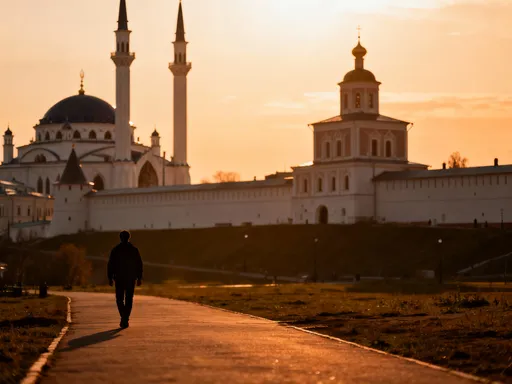
No visit to Kazan is complete without spending time in the Kazan Kremlin, a UNESCO World Heritage Site that stands as a powerful symbol of the city’s cultural synthesis. Enclosed within ancient white walls, the Kremlin complex houses two of the city’s most iconic landmarks: the Qolşärif Mosque and the Annunciation Cathedral. The mosque, with its striking turquoise domes and slender minarets, was rebuilt in 2005 on the site where a historic mosque was destroyed in 1552. Its modern design draws inspiration from traditional Tatar architecture while incorporating contemporary elements. Just steps away, the Annunciation Cathedral, founded in the 16th century, features golden domes and intricate frescoes, representing centuries of Russian Orthodox tradition.
The proximity of these two sacred spaces is not merely architectural coincidence—it is a deliberate statement of coexistence. Both are active places of worship, used daily by their respective communities. Visitors often pause in quiet reflection when standing between them, sensing the weight of history and the possibility of peace. This is not a symbolic gesture frozen in time; it is a lived reality. Muslims and Christians live, work, and pray side by side, their traditions respected and protected by the state and society. Schoolchildren tour the Kremlin as part of their cultural education, learning about both faiths as integral parts of their shared heritage.
When visiting the Kremlin, travelers should approach with respect. Modest dress is required for both religious sites: women should cover their heads and shoulders, and men should avoid shorts. Inside the Qolşärif Mosque, visitors are asked to remove their shoes and maintain silence. Photography is permitted in most areas, but always check for signs and ask before photographing people. Guided tours are available in multiple languages and provide valuable context about the historical and spiritual significance of the site. By following these simple guidelines, visitors honor the sanctity of the space while deepening their understanding of Kazan’s unique cultural fabric.
Tasting Tradition: A Food Journey Through Tatar Cuisine
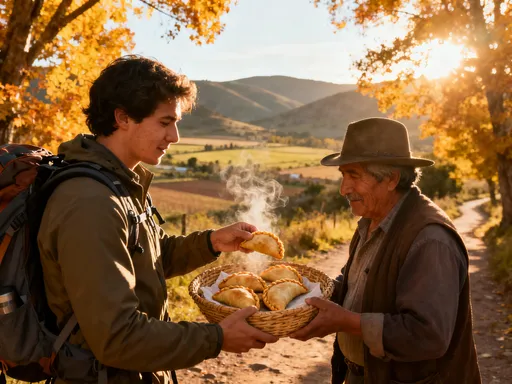
One of the most intimate ways to experience a culture is through its food, and Tatar cuisine offers a rich, flavorful introduction to the soul of Kazan. Rooted in centuries-old traditions of farming, herding, and trade along the Volga River, Tatar dishes emphasize hearty ingredients, slow cooking, and communal sharing. Among the must-try foods is echpochmak, a savory pastry filled with chopped meat, potatoes, and onions, baked until golden. Traditionally served hot and often accompanied by a cup of strong black tea, echpochmak is more than a meal—it’s a comfort food passed down through generations.
Another delicacy is kazylyk, a type of cured horse meat sausage that holds ceremonial importance in Tatar culture. It is often served during holidays and family gatherings, sliced thinly and presented with pride. For those with a sweet tooth, chak-chak is an unforgettable treat—a honey-soaked pastry made from deep-fried dough balls pressed into a mound or ring. It’s commonly served at weddings and celebrations, symbolizing joy and abundance. These dishes are not limited to special occasions; they can be found in local restaurants, street markets, and even supermarkets, making it easy for visitors to sample authentic flavors.
The act of eating in Tatar culture is deeply social. Meals are often shared from a central table, with guests encouraged to take their time and enjoy conversation. Tea is served continuously, poured from ornate samovars into small cups, sometimes with a slice of lemon or a spoonful of jam. This ritual reflects the Tatar value of hospitality—visitors are treated as honored guests, regardless of background. To find the most authentic experiences, travelers should seek out family-run eateries or traditional Tatar restaurants in the city center or residential neighborhoods. Avoid tourist-heavy areas where menus may be simplified or adapted. By embracing local dining customs—such as using the right hand for eating or accepting seconds as a sign of appreciation—visitors show respect and open the door to warm interactions.
Beyond the Guidebook: Connecting with Locals and Living Culture
While monuments and museums offer valuable insights, the true heart of Kazan beats in its people. For travelers seeking deeper connection, engaging with locals provides an irreplaceable perspective on daily life and cultural values. One of the best ways to do this is by attending local festivals and cultural events. The Sabantuy festival, celebrated in summer, is a highlight—a traditional Tatar holiday marking the end of spring sowing. It features folk music, dance performances, wrestling matches, and culinary demonstrations. Families gather in parks, children play traditional games, and the air fills with the scent of grilled meat and fresh bread. These events are open to everyone, and locals welcome curious visitors with warmth.
Participating in craft workshops is another meaningful way to connect. Tatar artisans are known for their intricate embroidery, ceramic work, and wood carving, often featuring floral and geometric patterns with cultural significance. Some community centers and cultural institutes offer short workshops where travelers can try their hand at making a small embroidered piece or painting a ceramic tile. These activities are not just about creating souvenirs—they’re about understanding the stories behind the symbols and the patience required to preserve traditional skills.
Language, even in small doses, can bridge gaps. While most younger people in Kazan speak Russian fluently, and many understand basic English, learning a few Tatar phrases can make a lasting impression. Simple greetings like “Salam” (Hello) or “Räxmät” (Thank you) often elicit smiles and encouragement. Locals appreciate the effort, even if pronunciation isn’t perfect. Carrying a small phrasebook or using a translation app can help build confidence. The key is to listen more than speak, to observe customs, and to respond with gratitude. These small acts of cultural humility foster mutual respect and often lead to spontaneous invitations—perhaps to share tea, see a home altar, or attend a neighborhood event.
Hidden Layers: Arts, Architecture, and Urban Identity
Beyond its historical landmarks, Kazan reveals its evolving identity through contemporary art and urban design. The city has invested in public spaces that honor the past while embracing modernity. Murals and street art, particularly in neighborhoods like Old Tatar Settlement and the central riverfront, depict scenes of cultural heritage, historical figures, and symbolic motifs. Unlike graffiti that defaces, these works are commissioned and celebrated, serving as open-air galleries that tell the story of Tatar resilience and pride.
Architecture in Kazan reflects this same duality. Alongside centuries-old buildings, sleek modern structures house museums, theaters, and universities. The Musa Jalil Tatar Academic Theatre and the National Library of Tatarstan are examples of contemporary design that incorporate traditional patterns and materials. Even the city’s lighting and landscaping are thoughtfully planned to create a sense of warmth and accessibility. Parks like Gorky Park and the embankment along the Kazanka River are gathering places for families, couples, and friends, offering scenic views and peaceful retreats within the urban landscape.
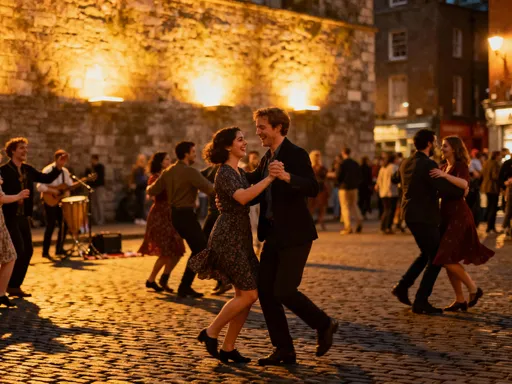
These spaces are not just aesthetic choices—they are statements of identity. They show that a city can honor its roots while moving forward. For travelers, walking through these areas offers a different kind of insight: one that goes beyond guidebooks and into the rhythm of daily life. You’ll see elders feeding pigeons, students studying under trees, and musicians playing folk songs on weekends. These moments, unscripted and unposed, reveal the living culture of Kazan—a city that values both memory and progress, tradition and innovation.
Practical Wisdom: Making the Most of Your Cultural Experience
To truly immerse yourself in Kazan’s culture, timing and preparation matter. The best months to visit are May through September, when the weather is mild and outdoor festivals are in full swing. Summer brings the Sabantuy festival and open-air concerts, while spring and early autumn offer fewer crowds and comfortable temperatures for walking tours. Winter can be beautiful, especially during New Year celebrations, but extreme cold may limit outdoor activities. Booking accommodations in the city center or near the Kremlin allows for easy access to major sites and local cafes.
Transportation within Kazan is straightforward. The metro has two lines and connects key districts, while buses and trams cover areas beyond the subway. Taxis via apps like Yandex Go are reliable and inexpensive. For communication, having a local SIM card or using Wi-Fi in hotels and cafes ensures access to maps and translation tools. While many signs are bilingual, carrying a small dictionary or using a translation app can help with menus and conversations.
Safety in Kazan is generally high, with low crime rates and a strong police presence in tourist areas. However, as in any city, it’s wise to stay aware of your surroundings and keep valuables secure. The most important tip for respectful travel is to approach cultural differences with openness. Avoid making assumptions about religion, dress, or social norms. Ask questions politely, listen with humility, and express gratitude often. When in doubt, observe what locals do and follow their lead. By traveling with intention and respect, you not only enrich your own experience but also contribute to a more understanding world.
Conclusion
Kazan isn’t just a destination—it’s a conversation between cultures that’s been unfolding for centuries. By approaching it with curiosity and respect, travelers gain more than memories; they gain understanding. In a world that often highlights division, Kazan offers a powerful example of harmony. Its streets, temples, kitchens, and festivals all speak of a shared life built on mutual respect and quiet coexistence. This is not a fairy tale or a carefully curated image for outsiders—it is the everyday reality for thousands of people who call Kazan home.
For women in their thirties to fifties, many of whom balance family, work, and personal growth, Kazan presents a rare opportunity: a journey that nourishes the spirit without requiring extreme adventure or luxury. It invites reflection, connection, and a deeper appreciation for the beauty of diversity. You don’t need to speak the language fluently or know the history in detail to feel its impact. You only need to arrive with an open heart and a willingness to see the world differently.
Let Kazan inspire your journey, not just on the map, but within yourself. Let its mosques and cathedrals remind you that difference need not divide. Let its tables full of chak-chak and tea teach you the power of sharing. And let its people, proud and kind, show you what it means to belong to more than one world at once. In discovering Kazan, you may just discover a new way of seeing your own place in the world.