You Won’t Believe These Niagara Falls Viewpoints You Can Reach by Car
Driving to Niagara Falls, Canada, turned out to be way more than just a road trip—it was an adventure packed with jaw-dropping moments. I didn’t expect to find so many incredible viewpoints just minutes off the highway. From misty overlooks to quiet park spots where you’re alone with the roar of the falls, each stop felt like discovering a secret. This journey wasn’t about crowds or tourist traps—it was about freedom, timing, and knowing where to pull over. If you’re planning a self-drive visit, trust me—some of the best views aren’t on foot. Let’s dive into the ones worth your drive.
Why Self-Driving to Niagara Falls Beats the Tour Bus
Choosing to drive to Niagara Falls transforms the entire experience from a passive tour into an active exploration. When traveling by car, visitors gain the freedom to choose their pace, their route, and their moments of pause. Unlike group tours that follow rigid itineraries or public transit with limited stops and schedules, a personal vehicle allows spontaneous detours to scenic overlooks, local cafés, and hidden trails. This flexibility is especially valuable during peak seasons when timing can mean the difference between a serene sunrise view and a packed afternoon crowd.
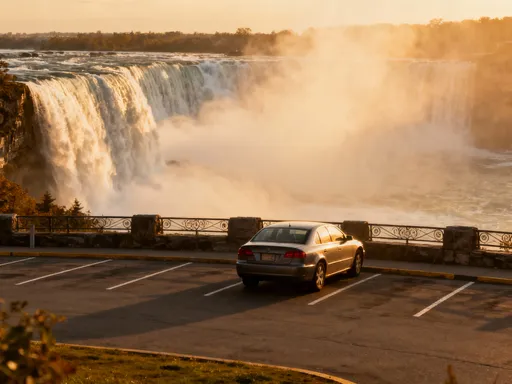
One of the greatest advantages of driving is early access. Arriving at popular viewpoints before 8 a.m. often means having the space to yourself, with soft morning light illuminating the mist rising from the falls. Tour buses typically arrive later, filling parking lots and pathways by mid-morning. With your own car, you can park near key attractions, take a short walk, capture breathtaking photos without a crowd, and move on when ready. There’s no waiting for a return shuttle or adhering to a guide’s schedule.
Parking around Niagara Falls is generally well-marked and accessible, with several designated lots near major viewpoints. Many of these offer convenient access to pedestrian paths, shuttle stops, or attractions like Journey Behind the Falls and the Niagara Parks Butterfly Conservatory. While some lots charge a daily fee, the convenience and time saved are well worth the cost. Additionally, having a car opens up routes beyond the main tourist corridor, such as the Niagara Parkway or the drive north toward the Whirlpool, areas often missed by standard tours.
For families or travelers with mobility considerations, driving also provides comfort and control. You can bring strollers, wheelchairs, or extra layers for changing weather without worrying about storage limits on public transport. Snacks, water, and personal items stay within reach, reducing stress and enhancing the overall experience. Ultimately, self-driving turns the journey into a personalized adventure, where every stop feels intentional and every view is yours to savor on your own terms.
The Iconic Front View: Horseshoe Falls from Table Rock Welcome Centre
No visit to Niagara Falls feels complete without standing at the edge of Table Rock Welcome Centre, gazing directly into the thunderous curtain of Horseshoe Falls. This is the most photographed and widely recognized viewpoint, and for good reason—it offers an unobstructed, up-close perspective of the 170,000 cubic feet of water that plunge over the edge every second. The sheer power is felt in your chest, the mist kisses your skin, and the sound is a constant, soothing roar that drowns out everything else.
Reaching Table Rock by car is straightforward and well-signposted from both the Queen Elizabeth Way (QEW) and local routes through Niagara Falls, Ontario. A dedicated parking lot sits just a short, paved walk from the viewing area, making it accessible for all ages and mobility levels. The pathway is wide, gently sloped, and lined with safety railings, ensuring a secure and comfortable approach even in damp or windy conditions. For those traveling with children or elderly companions, this ease of access is a significant advantage.
To truly appreciate the majesty of Table Rock without the crush of crowds, timing is essential. Arriving between 7:00 and 8:30 a.m. often means having the space to linger, breathe deeply, and absorb the scene without jostling for position. On clear days, rainbows frequently arch across the mist, adding a magical touch to the view. While the site does get busy by midday, especially in summer, the early morning offers a rare moment of intimacy with one of the world’s most powerful natural wonders.
Although Table Rock is undeniably popular, it remains a must-see destination not because of its fame, but because of its unparalleled proximity to the falls. Interpretive panels provide historical and geological context, enriching the experience for curious minds. Whether you’re visiting for the first time or returning after years away, standing at this vantage point renews a sense of awe. And thanks to the convenience of driving, you can visit, reflect, and leave exactly when you choose—no schedules, no waits, just pure connection with nature.
Hidden Gem: Journey Behind the Falls Access by Car
One of the most immersive experiences at Niagara Falls is stepping behind the cascading water at Journey Behind the Falls—and getting there by car makes the entire visit smoother and more relaxed. Located just a short drive from Table Rock, this attraction allows visitors to descend 125 feet via elevator into a series of tunnels that run directly behind Horseshoe Falls. The sensation of standing in a rock niche with thousands of gallons of water thundering just feet away is unforgettable, a true sensory highlight of any trip.
Driving to Journey Behind the Falls means you can arrive at your preferred time, park in the adjacent lot, and walk directly to the entrance without navigating shuttle transfers or long walks from distant parking. The site has dedicated, clearly marked parking, and during off-peak hours, spaces are plentiful. Even in high season, arriving before 9 a.m. or after 6 p.m. can help you avoid the busiest times, ensuring a more peaceful visit.
The journey begins with a descent through a dimly lit tunnel, the sound of the falls growing louder with each step. At the base, a series of open-air observation decks cut into the rock face offer front-row views of the waterfall’s rear force. The mist is heavy, the air cool, and the vibration of the water palpable. Visitors are provided with complimentary ponchos, a thoughtful touch that ensures comfort even in the damp environment.
What makes this experience even more special when accessed by car is the ability to pause and reflect afterward. After emerging from the tunnels, many travelers take a moment to sit on a nearby bench, still processing the intensity of what they’ve just witnessed. With your vehicle nearby, you can take that time without worrying about missing a shuttle or rushing to the next stop. You might even decide to return later in the day, when lighting or crowd levels have changed, offering a completely different perspective. Driving grants that kind of flexibility, turning a single attraction into a multi-layered memory.
Peaceful Escape: Dufferin Islands Nature Reserve Viewpoints
Just a ten-minute drive from the bustling tourist district, Dufferin Islands Nature Reserve offers a serene contrast to the energy of the falls. Nestled along the Niagara River, this quiet park is a network of walking paths, wooden bridges, and lush greenery that feels worlds away from the crowds. For travelers seeking a moment of calm, reflection, or a gentle stretch of the legs, Dufferin Islands is an ideal stop—and one that’s easily accessible by car.
The reserve features several small islands connected by footbridges, with trails winding through native trees, ferns, and flowering plants. Benches are thoughtfully placed along the path, inviting visitors to sit and listen to the sounds of birds, rustling leaves, and the distant rush of water. Unlike the main falls area, where every viewpoint feels engineered for maximum impact, Dufferin Islands offers a more organic, understated beauty. Here, nature is not performing—it’s simply being itself.
There are a few subtle overlooks along the riverbank where you can catch glimpses of the Niagara River’s flow, especially downstream from the falls. While you won’t see the massive cascade from here, the view is peaceful and picturesque, framed by overhanging branches and smooth stone edges. It’s a perfect spot for a quiet picnic, a moment of journaling, or simply breathing in the fresh air away from noise and crowds.
Visitors arriving by car can park in the small, free lot at the entrance, making it easy to access the trails without hassle. The entire loop takes about 30 to 45 minutes at a leisurely pace, making it ideal for a midday break or a late-afternoon stroll. Families with young children appreciate the flat, well-maintained paths, while older travelers enjoy the tranquility and shade. For those who want to experience more than just the spectacle of the falls, Dufferin Islands offers a gentle reminder that beauty also exists in stillness and simplicity.
Sunset Magic: Niagara Parkway’s Best Pull-Offs
One of the most scenic drives in southern Ontario, the Niagara Parkway stretches for over 50 kilometers along the Niagara River, connecting Niagara Falls to Fort Erie and beyond. But for most visitors, the most rewarding stretch lies between the falls and Queenston, where the river cuts through a dramatic gorge and offers panoramic views at every turn. Driving this route at golden hour or sunset reveals a different kind of magic—one painted in soft light, long shadows, and shimmering water.
Several designated pull-off points along the parkway provide safe and legal spots to stop and take in the view. These overlooks are well-maintained, with stone walls, interpretive signs, and sometimes even small benches. The most popular viewpoints include Sir Adam Beck Park, Riverbend, and the area near the Whirlpool Rapids Bridge. Each offers a slightly different angle of the river gorge, with opportunities to photograph the swirling currents, layered rock formations, and distant tree lines glowing in the evening sun.
Safety is a key consideration when stopping along the parkway. Drivers should only pull over at marked areas and avoid blocking traffic or pathways. The road is shared by cyclists, joggers, and other sightseers, so remaining aware of your surroundings is essential. During peak seasons, especially in fall when foliage is at its peak, these spots can attract photographers and nature lovers, but even then, the atmosphere remains peaceful compared to the main tourist zones.
The best conditions for viewing are on clear evenings with low wind, when the river surface reflects the sky like glass. A light mist often rises as the temperature drops, adding a dreamlike quality to the scene. Bringing a light jacket is advisable, as it can cool quickly once the sun dips below the trees. For those traveling with a camera, a tripod can help capture long-exposure shots of the flowing water, turning motion into soft, silky ribbons of light. Whether you’re stopping for five minutes or thirty, the Niagara Parkway at sunset offers a moment of quiet awe that lingers long after the drive ends.
Beyond the Falls: Whirlpool Aero Car and Gorge View from the North
For travelers willing to drive a little further north, the Niagara Whirlpool and its surrounding gorge offer a dramatic extension of the falls experience. Located about 10 kilometers upstream from the main cataracts, this natural phenomenon is where the river makes a sudden 90-degree turn, creating a powerful, churning vortex visible from both ground and aerial viewpoints. Reaching this area by car allows for a deeper exploration of the region’s geology and beauty.
The most thrilling way to see the whirlpool is from above, via the Whirlpool Aero Car—a cable car that glides slowly across the gorge, suspended high above the roiling water. The ride takes about ten minutes each way and offers uninterrupted 360-degree views of the whirlpool, the river, and the surrounding cliffs. The sensation of floating over such raw natural force is both exhilarating and humbling, a perfect complement to the power of the falls themselves.
Driving to the Aero Car station is simple, with clear signage from the QEW and ample parking available on-site. The facility is well-organized, with a small visitor center, restrooms, and viewing platforms for those who prefer to stay on solid ground. The best times to visit are mid-morning or late afternoon, when lighting enhances the depth and color of the water. On calm days, the whirlpool’s circular motion is clearly visible; on stormy days, the turbulence is even more intense, a reminder of the river’s relentless energy.
For those continuing the drive, the route north along the Niagara River offers additional scenic stops, including the Niagara Glen Nature Reserve, where hiking trails descend into the gorge. Combining the Aero Car visit with a short walk or picnic turns a single stop into a full afternoon of discovery. And because you’re driving, you can extend your journey as far as Niagara-on-the-Lake, a charming town known for its wineries and historic architecture. The freedom to explore beyond the falls is one of the greatest rewards of a self-drive trip.
Pro Tips for a Smooth Self-Drive Experience
To make the most of your self-drive visit to Niagara Falls, a few practical tips can go a long way. First, consider timing your arrival: weekdays are generally less crowded than weekends, and visiting in the shoulder seasons (late spring or early fall) means milder weather and fewer tourists. Early mornings are ideal for popular viewpoints, while evenings offer beautiful light and quieter roads.
While there are no toll roads on the main routes to Niagara Falls from Toronto or Buffalo, fuel costs and parking fees should be factored into your budget. Most major parking lots near attractions charge a daily rate, but some hotels offer validation or free access for guests. Using GPS is helpful, but keeping an eye on local signage is equally important, especially when navigating park roads or narrow lanes along the river.
Weather in the Niagara region can change quickly, especially near the falls where mist and wind create localized conditions. Packing a light rain jacket, sunglasses, and comfortable walking shoes ensures you’re prepared for any scenario. Layering is key, as temperatures can vary significantly between sunny and shaded areas.
Finally, balance driving with walking. While the car provides access and convenience, some of the best moments come from stepping out and immersing yourself in the surroundings. Plan a mix of drive-by stops and longer walks to fully appreciate the landscape. Bring water, snacks, and a fully charged phone for photos and navigation. With thoughtful preparation, your self-drive journey becomes not just a way to reach the falls, but a meaningful part of the adventure itself.
Conclusion: More Than a Destination—A Journey Worth Driving For
The beauty of Niagara Falls isn’t confined to a single viewpoint or attraction—it unfolds gradually, mile by mile, stop by stop. Driving there transforms the trip from a destination-focused outing into a journey of discovery. Each turn of the road reveals a new angle, a quieter moment, a personal connection with nature that can’t be rushed or scheduled.
The best views aren’t always the busiest ones, and the most memorable experiences often happen when you’re free to choose your own path. Whether it’s the thunder of Horseshoe Falls at dawn, the hush of Dufferin Islands at midday, or the golden glow of the gorge at sunset, these moments belong to those who take the time to seek them out.
Having a car doesn’t just make travel easier—it makes it richer. It allows for spontaneity, comfort, and the freedom to explore beyond the obvious. It turns a visit into a story, with each stop adding a new chapter. So if you’re planning a trip to Niagara Falls, consider leaving the tour bus behind. Hit the open road, follow the river’s path, and let the journey become part of the memory. Because sometimes, the view from the driver’s seat is the most beautiful of all.