You Won’t Believe These Hidden Photo Spots in Puno, Peru
Nestled on the shores of Lake Titicaca, Puno, Peru, is a visual dream most travelers overlook. I went chasing golden light and authentic moments—and found myself surrounded by landscapes so vivid, they looked edited. From misty altiplano vistas to vibrant local festivals, Puno’s scenic spots are pure magic through a lens. If you’re after raw, breathtaking photography that tells a real story, this place will blow you away. The air is thin, the skies are wide, and the colors—especially during festival season—are so intense they seem to pulse. For photographers seeking both solitude and cultural depth, Puno offers an unmatched canvas where nature and tradition paint every frame.
Why Puno Deserves a Spot in Your Camera Roll
Puno may not headline most Peru itineraries, but for photographers in search of unfiltered authenticity, it is a quiet treasure. Sitting at over 12,500 feet above sea level on the edge of Lake Titicaca—the world’s highest navigable lake—Puno delivers dramatic scenery with minimal crowds. Unlike the bustling streets of Cusco or the urban sprawl of Lima, Puno moves at a gentler pace, allowing time to absorb its textures: the ripple of wind across alpine grasslands, the hand-stitched embroidery on a local woman’s pollera, or the distant chant of Aymara musicians at dusk. These are the details that turn a photo from snapshot to story.
What sets Puno apart is its convergence of geography and culture. The city lies in a basin surrounded by rolling hills and open skies, creating natural frames for wide-angle lenses. But more than that, it is a cultural crossroads where indigenous traditions remain vibrant and visible. The Quechua and Aymara communities maintain ancestral practices that are not performed for tourists but lived daily. This authenticity translates into powerful imagery—faces weathered by wind and sun, children walking to school along dirt paths, and elders tending to llamas at dawn. These moments are not staged; they are simply life unfolding in one of the world’s most enduring highland regions.
For those drawn to documentary-style photography, Puno offers rare access to a world that feels both ancient and immediate. The architecture, with its mix of colonial churches and traditional adobe homes, adds another layer of visual interest. And because tourism is less intense than in other parts of southern Peru, locals are often curious but not overwhelmed by cameras. This creates space for respectful, meaningful interaction—a key ingredient in capturing genuine emotion. When paired with the ever-changing light of the Andean altiplano, Puno becomes more than a destination. It becomes a photographer’s sanctuary.
The Golden Hour at Lake Titicaca’s Shoreline
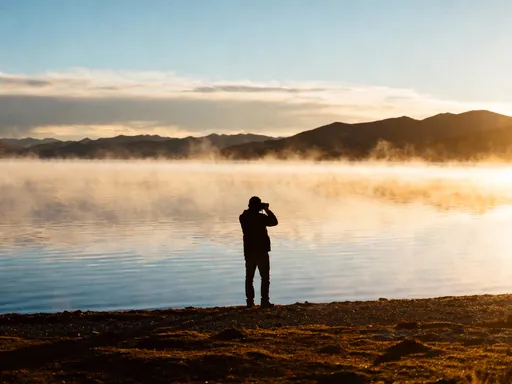
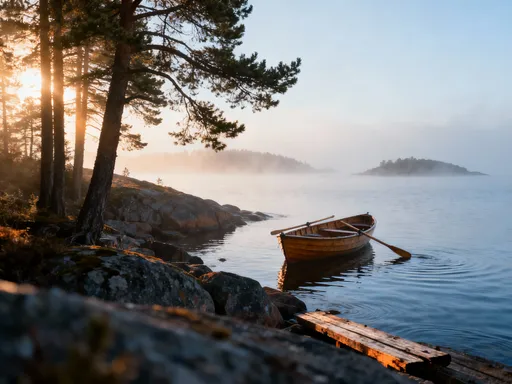
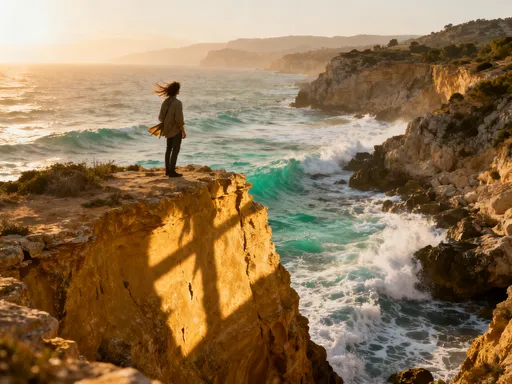
There is a moment each evening along the shores of Lake Titicaca when the world seems to pause. The sun, low and amber, casts a golden wash across the water, turning the surface into a mirror of fire and cloud. This is golden hour in Puno—a fleeting window of soft, directional light that transforms even the simplest scene into something transcendent. For photographers, this is prime time. The lake’s stillness, especially in the early morning and late afternoon, creates perfect reflections, doubling the impact of every shot.
The stretch of waterfront near Puno’s main port offers easy access and a lively atmosphere, but for quieter compositions, head slightly west toward smaller coves or the path leading to the Olliruna viewpoint. Here, you’ll find fewer tourists and more space to compose your frame. Early risers should arrive before sunrise to capture the mist rising off the lake, curling like smoke across the surface. As the sun breaks the horizon, the light shifts rapidly—from cool blue to warm gold—offering a dynamic range of tones to experiment with.
To make the most of these conditions, use a tripod to stabilize your camera, especially if shooting long exposures or trying to capture smooth water textures. A polarizing filter can help reduce glare and enhance the contrast between sky and lake. Because wind can pick up suddenly, especially in the afternoon, consider using a lens hood or even a small reflector to shield your lens. Set your aperture between f/8 and f/11 for optimal sharpness, and keep your ISO low to preserve image quality. If shooting handheld, a shutter speed of at least 1/125th of a second will help avoid blur from camera shake.
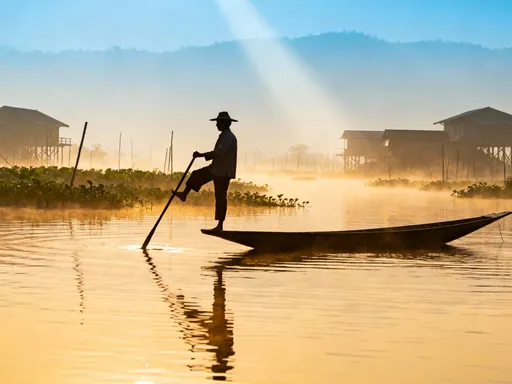
Don’t limit yourself to wide landscapes. The shoreline is also ideal for silhouette work—fishermen returning with their nets, couples walking hand in hand, or birds skimming the surface. These human elements, backlit by the setting sun, add narrative depth to your portfolio. And because the lake stretches endlessly into the horizon, you’ll rarely run out of compositions. Whether you’re using a DSLR or a high-end mirrorless camera, the interplay of light, water, and sky here offers endless creative possibilities.
Chullpas of Sillustani – A Silhouetted Mystery
Rising like ancient sentinels from the windswept plains of the Peruvian altiplano, the chullpas of Sillustani are pre-Incan burial towers that command attention through sheer presence. Located about 30 minutes from Puno, this archaeological site sits on a peninsula jutting into Lake Umayo, offering panoramic views and a hauntingly beautiful backdrop for photography. The stone towers, some reaching over 40 feet tall, were built by the Colla people centuries before the Inca Empire rose to power. Their cylindrical forms, constructed without mortar, stand in solemn rows against an open sky, creating dramatic silhouettes at sunrise and sunset.
For photographers, Sillustani is a gift. The site’s elevation and lack of surrounding trees mean unobstructed sightlines in every direction. This openness allows for wide-angle shots that emphasize scale and isolation, or telephoto compressions that isolate individual chullpas against stormy clouds. Arrive early in the morning when the light is soft and the fog still clings to the ground. As the sun climbs, the towers cast long shadows across the grass, adding depth and dimension to your images. Late afternoon offers equally compelling conditions, with warm, raking light accentuating the textures of the weathered stone.
Because the site is relatively small, take time to explore it from multiple angles. Try framing a chullpa with Lake Umayo in the background, using the water to mirror the sky and enhance the mood. A low perspective—shooting from near ground level—can make the towers appear even more imposing. For black-and-white conversions, the contrast between stone and sky works exceptionally well, emphasizing form and shadow over color.
Long-exposure photography is also highly effective here, especially on windy days when clouds streak across the sky. Use a neutral density filter to extend your shutter speed and create a sense of motion against the stillness of the towers. A tripod is essential, as even slight vibrations can blur fine details. And because the wind can be relentless, protect your gear with a rain cover or even a simple plastic bag. While Sillustani is a popular day trip, it rarely feels crowded, allowing for peaceful, contemplative shooting. This is a place where history and landscape converge—and where every photograph feels like a quiet conversation with the past.
Festivals That Burst with Color: When Culture Meets Lens
If you want to photograph culture in motion, plan your visit to Puno around February. That’s when the city erupts in celebration for the Feast of the Virgin of Candelaria, one of the largest and most colorful festivals in South America. Lasting nearly two weeks, the event draws tens of thousands of dancers, musicians, and spectators from across the Andes. The streets become a river of sequins, feathers, and hand-embroidered costumes, each group representing a different community with its own unique dance and music. For photographers, it’s a once-in-a-lifetime opportunity to capture movement, emotion, and tradition in full bloom.
The festival’s visual intensity is staggering. Dancers wear elaborate headdresses that can weigh over 20 pounds, adorned with mirrors, beads, and bright plumes. Their costumes, often handmade over months, feature intricate patterns symbolizing ancestral beliefs, agricultural cycles, and spiritual protection. As the dance troupes parade through the city, the sound of panpipes, drums, and brass bands fills the air, creating a sensory overload that translates into dynamic, energetic photographs. To capture the action, use a fast shutter speed—1/500th of a second or faster—to freeze motion and preserve detail in the costumes.
But beyond the spectacle, the festival is also about connection. While it’s tempting to shoot from a distance, the most powerful images often come from getting closer—within respectful range—and waiting for genuine expressions. A dancer catching her breath, a child watching in awe, an elder smiling beneath a woolen hat—these quiet moments balance the chaos and add emotional depth to your collection. Always ask permission before photographing individuals up close, especially elders or those not in performance mode. A simple smile and gesture go a long way in building trust.
For wider compositions, find elevated viewpoints—balconies, rooftops, or even the steps of the Cathedral of Puno—to capture the flow of the parade. Use a zoom lens to isolate details: the glint of a mirror in the sunlight, the tension in a dancer’s arm, or the synchronized steps of a full troupe. Because the festival happens in daylight, natural light is generally strong, but be mindful of harsh midday sun. Early morning and late afternoon offer softer, more flattering illumination. And remember: this is a sacred celebration, not a performance for tourists. Approach it with humility, and your photographs will reflect not just beauty, but respect.
Taquile Island – Simplicity with Stunning Backdrops
Just a two-hour boat ride from Puno, Taquile Island rises from Lake Titicaca like a forgotten world. With no roads, no motorized vehicles, and a population of fewer than 2,500, the island operates on its own rhythm. Life here revolves around weaving, fishing, and terrace farming, all conducted against a backdrop of panoramic lake views and distant snow-capped peaks. For photographers, Taquile offers a rare blend of cultural richness and scenic clarity—a place where simplicity becomes art.
The island is renowned for its textile traditions, particularly the hand-knitted chullos (woolen hats) worn by men. Each pattern tells a story, passed down through generations, often depicting elements of nature, cosmology, or daily life. Visitors are often invited to watch weaving demonstrations, where artisans work on foot-powered looms with astonishing precision. These moments make for intimate portrait opportunities—hands in motion, eyes focused, yarn looping in rhythmic patterns. Natural light inside the small workshops is soft and diffused, ideal for capturing texture and detail without harsh shadows.
To get the most comprehensive view of the island, hike to the highest point, known as the Mirador de la Isla. The 45-minute climb rewards you with a 360-degree panorama: the deep blue of the lake, neighboring islands dotting the horizon, and the Andean cordillera stretching into the distance. This vantage point is perfect for wide-angle landscape shots, especially in the early morning when the air is clearest. On clear days, you can even see the silhouette of Bolivia across the water.
While the scenery is breathtaking, the true heart of Taquile lies in its people. Children walk to school in neat rows, women carry bundles on their backs, and elders sit outside their homes sharing stories. Always ask before taking portraits, and when granted, take the time to engage. A few minutes of conversation often results in a more natural, expressive photograph. And because the island receives a steady stream of visitors, many residents are accustomed to cameras—but that doesn’t mean they welcome intrusion. Respect their space, and your images will carry the dignity of the moment, not just the beauty of the setting.
Hidden Hilltops Near Puno City for Panoramic Shots
Just beyond the urban edges of Puno lie quiet hilltops that offer some of the most expansive views in the region—without the crowds of more famous viewpoints. These lesser-known elevations provide unobstructed panoramas of Lake Titicaca, the surrounding wetlands, and the distant Andes. Unlike the popular Mirador de Kuntur Wasi, which can be busy with tour groups, these spots remain largely undiscovered by mainstream tourism, making them ideal for serene, contemplative photography.
One such location is a gentle rise located southeast of the city, accessible via a dirt path near the neighborhood of San Luis. From here, you can capture the entire bay of Puno as it curves into the distance, with fishing boats gliding across the water like brushstrokes on canvas. At sunrise, the light spills over the hills, gradually illuminating the city below. The contrast between shadow and light creates a natural gradient that enhances depth in your images. A telephoto lens allows you to isolate specific details—the morning market coming to life, a lone herder moving his flock, or the first ferry departing for the islands.
Another promising spot lies west of the main highway, where a series of small ridges overlook the wetlands of Huasco. These marshy areas are home to Andean flamingos, coots, and other waterfowl, offering opportunities for nature photography alongside broader landscape shots. Because the area is not officially marked as a tourist site, you’ll likely have the place to yourself. Arrive early, as the wetlands are most active at dawn. Use a tripod to stabilize long focal lengths, and consider a mid-range zoom (70–200mm) to capture both wide scenes and tight details.
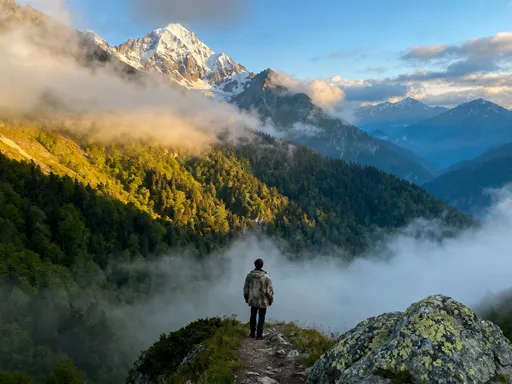
Dress warmly, as temperatures at these elevations can drop well below freezing in the early morning, even in summer. A thermal layer, gloves, and a hat are essential, especially if you plan to shoot for more than 30 minutes. Also, bring a lens cloth—dew and frost can quickly fog your equipment. These hilltops may not have signs or facilities, but that’s part of their appeal. They offer a raw, unfiltered connection to the land—one that rewards patience and preparation with images of quiet grandeur.
Photographing the Uros Floating Islands – Beyond the Tourist Angle
The Uros Floating Islands, built entirely from layers of totora reeds, are among the most iconic images associated with Lake Titicaca. But for photographers, the challenge lies in capturing them with freshness, avoiding the clichés of posed group shots and repetitive compositions. While many visitors snap quick photos from tour boats, those who take time to observe daily life on the islands can create images that reveal resilience, ingenuity, and quiet beauty.
Each island is home to several families who maintain their way of life through fishing, reed harvesting, and small-scale tourism. The homes, boats, and even parts of the islands themselves are made from totora, a buoyant plant that grows abundantly in the lake’s shallows. To capture authentic moments, visit midweek when tour groups are fewer. This allows for more natural interactions—children playing, women preparing food, men repairing boats—with less disruption from constant visitor traffic.
Use natural light to your advantage. The low angle of the sun in the early morning highlights the texture of the reeds and casts long shadows across the water. Position yourself so that the light falls on the subject’s face, avoiding harsh backlighting unless you’re going for a silhouette effect. A polarizing filter helps cut through glare on the water, making colors appear richer and details sharper. For environmental portraits, include elements of the surroundings—a thatched roof, a hand-carved paddle, a bundle of drying reeds—to ground the image in place.
Where permitted, drone photography can offer a unique perspective, showing the islands as they truly are: small, floating ecosystems drifting on an immense lake. However, always check local regulations and ask for community permission before flying. Some families welcome aerial shots as a way to share their world; others prefer privacy. When in doubt, err on the side of respect. The most compelling photographs from the Uros are not those that exoticize, but those that humanize—images that show not just how people live, but why their way of life matters.
Closing Thoughts: Why Puno’s Beauty Belongs in Your Travel Story
Puno does not reveal itself all at once. Its beauty unfolds slowly—in the quiet of a lakeside dawn, in the rhythm of a weaver’s hands, in the echo of a festival song carried on the wind. For photographers, this is a place of depth and discovery, where every image has the potential to carry meaning beyond the visual. It is not about capturing the most likes or the most dramatic shot, but about bearing witness to a culture and landscape that have endured for centuries.
What makes Puno truly special is its authenticity. Unlike destinations shaped by mass tourism, it remains rooted in tradition, offering moments of genuine connection. The light here is different—crisper, clearer, charged with altitude and atmosphere. It demands attention, rewarding those who rise early, stay late, and look beyond the obvious. Whether you’re drawn to landscapes, portraits, or cultural documentation, Puno provides a canvas rich with possibility.
So if you’re planning your next photographic journey, consider this highland haven. Let go of the need for perfection and embrace the imperfections—the wind, the cold, the unpredictability of human moments. These are not obstacles; they are part of the story. Pack your warmest layers, charge your batteries, and set your intentions not just to take pictures, but to understand what you’re seeing. Because in Puno, every photograph is more than an image. It’s a memory in the making—a testament to light, land, and the quiet dignity of those who call this place home. Let your lens linger. Let your heart follow. And let Puno show you what real beauty looks like.