You Gotta See These Hidden Natural Wonders Around Stockholm
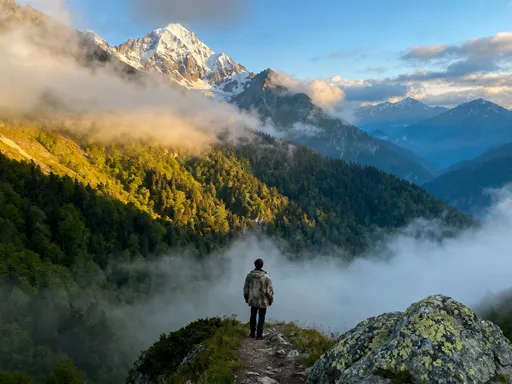
When I first visited Stockholm, I expected charming streets and Nordic design—but I never thought the wild beauty outside the city would steal my heart. From shimmering archipelagos to silent forests filled with blueberries, Sweden’s capital is surrounded by natural wonders most tourists completely miss. If you're craving fresh air, quiet trails, or ocean views that feel like a dream, I’ve got the real-deal spots you won’t find on every travel blog. These are not just scenic escapes; they are essential experiences that reveal the soul of Sweden. For women who travel not just to see, but to feel restored, to walk mindfully, and to connect with the rhythm of nature, Stockholm offers something rare: untouched beauty within easy reach. This is a city where urban life and wilderness coexist in harmony, and where a day trip can transport you from bustling streets to serene solitude.
Beyond the City: Why Nature Is Stockholm’s True Highlight
Stockholm is more than a capital—it is a city born of water and forest. Built across 14 islands where Lake Mälaren meets the Baltic Sea, its very layout reflects a deep relationship with nature. Unlike many global cities that push green space to the margins, Stockholm embraces the wild as part of daily life. Residents don’t just visit nature; they live with it. The Swedish concept of friluftsliv—which translates to 'free-air life'—captures this cultural heartbeat. It’s not about extreme outdoor adventures, but about the simple joy of being outside, regardless of weather or season. A morning walk through dew-covered grass, a picnic by a lakeside, or a winter hike under pale sunlight—all are expressions of this quiet, enduring tradition.
For visitors, especially women managing busy family lives or personal transitions, this philosophy offers a refreshing shift. There is no pressure to perform, only permission to be present. The proximity of wilderness to the city center makes this accessible to all. Within 30 minutes by public transport, you can stand beneath ancient pines, listen to waves lap against rocky shores, or spot a deer moving quietly through misty woods. No need for extensive gear, expert skills, or long travel times. This ease of access is what makes Stockholm unique among European capitals. While others boast monuments and museums, Stockholm quietly invites you to breathe deeper, walk slower, and remember that peace is not a luxury—it’s a daily possibility.
What’s more, the city’s seasonal rhythms deepen this connection. In summer, the sun lingers past 10 p.m., inviting evening strolls and open-window mornings. Autumn brings golden light and rustling leaves, perfect for contemplative walks. Winter, though cold, offers crisp clarity and the magic of snow-laced trees. Spring arrives with sudden bursts of green and birdsong that feel like renewal itself. Each season shapes how locals interact with their environment, and travelers who align with these rhythms often leave feeling recharged in ways they didn’t expect. Nature here isn’t an add-on to the trip—it’s the heart of the experience.
The Archipelago Magic: A Sea of Islands You Can’t Miss
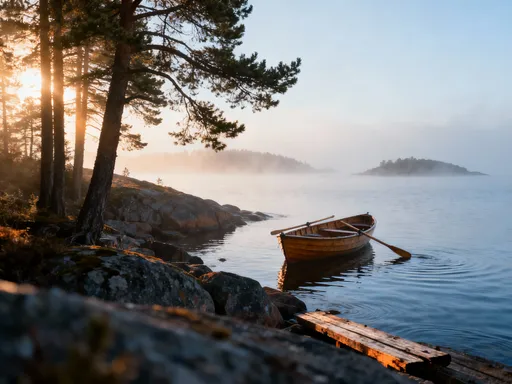
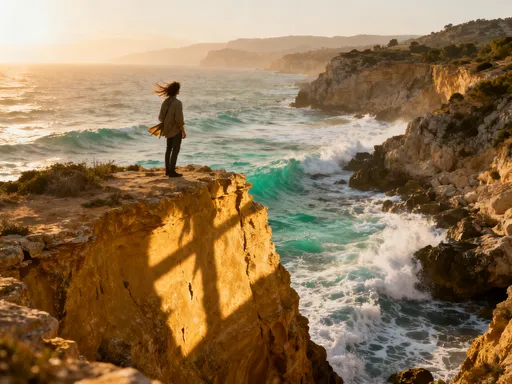
Stretching eastward into the Baltic Sea like a scattered necklace of granite and pine, the Stockholm Archipelago is one of Europe’s most breathtaking coastal landscapes. Comprising over 30,000 islands, islets, and skerries, it forms a labyrinth of waterways, rocky coves, and windswept shores. While many tourists admire it from a distance, few take the time to explore its quieter corners. Yet doing so reveals a world apart—where time slows,手机信号 fades, and the only sounds are wind, water, and seabirds calling overhead. For women seeking space to reflect, recharge, or simply enjoy unhurried moments with loved ones, this archipelago is a sanctuary.
The beauty of the archipelago lies in its variety. The inner islands—such as Värmdö, Utö, and Grinda—are easily reached by public ferry and offer charming villages, well-marked trails, and opportunities for swimming, kayaking, or enjoying a meal at a family-run guesthouse. These are ideal for day trips, especially in summer when the ferries run frequently and the days are long. The outer islands, farther out and more remote, require longer journeys but reward with solitude, rugged coastlines, and skies so clear that stars blaze at night. Islands like Utö or Möja offer glimpses of traditional Swedish island life—wooden cottages painted red, fishing nets drying in the sun, and locals who welcome visitors with quiet warmth.
To make the most of your visit, timing and preparation matter. Summer is the most popular season, but also the busiest. Arriving early in the morning helps avoid crowds, especially on weekends. Pack layers—even in July, the sea breeze can be cool. Bring sturdy shoes for uneven terrain, sunscreen, and a reusable water bottle. Many islands have no shops, so carrying snacks is wise. While some ferries accept credit cards, having cash on hand simplifies small purchases at kiosks or cafes. Most importantly, let go of rigid plans. The archipelago rewards spontaneity. Step off at an unfamiliar dock, follow a trail just because it looks inviting, or sit on a sun-warmed rock and watch boats glide by. These unplanned moments often become the most memorable.
Djurö National Park: Where Forests Meet the Sea
Nestled in Lake Mälaren, just west of Stockholm, Djurö National Park is a hidden gem that embodies the quiet elegance of Swedish nature. This protected island, spanning over 1,400 hectares, is a mosaic of pine forests, rocky shores, and tranquil bays. Unlike crowded parks, Djurö remains peaceful, visited mostly by locals who come to hike, camp, or simply escape the pace of city life. Managed by the Swedish Environmental Protection Agency, it is preserved to protect its unique ecosystem, including rare lichens, nesting birds, and roe deer that move silently through the underbrush. For women who value stillness and natural beauty without fanfare, Djurö offers a rare kind of luxury: uninterrupted time in a pristine setting.
Reaching Djurö is straightforward. Regular passenger ferries depart from Södertälje, about 40 minutes from central Stockholm by train. The ride itself is scenic, gliding across calm waters dotted with islands. Once ashore, visitors can choose from several marked trails, ranging from easy loops to longer hikes that circle parts of the island. The paths are well-maintained but natural—expect roots, rocks, and soft pine needles underfoot. Along the way, interpretive signs share insights about the forest’s ecology and the history of small-scale farming that once shaped the land. Benches at viewpoints invite pauses to take in panoramic lake views, where the water shimmers like silver in the sunlight.
Camping is permitted in designated areas, and the experience of spending a night on Djurö is unforgettable. The air is clean, the stars bright, and the only sounds are the rustle of leaves and the occasional call of an owl. Basic shelters and fire pits are available, but visitors must bring their own supplies, including food, water, and sleeping gear. There are no shops or restaurants, which adds to the sense of adventure and self-reliance. For families or small groups, this can be a meaningful way to disconnect and reconnect—with nature and with each other. Even for solo travelers, Djurö feels safe and welcoming, a place where solitude is not loneliness but a form of gentle companionship with the natural world.
Tyresta National Park: Deep Woods Just a Short Trip Away
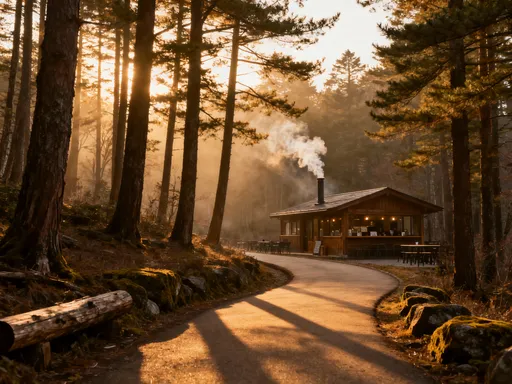
If Djurö represents the harmony of forest and water, Tyresta National Park offers something rarer: a true old-growth forest within an hour’s reach of a major capital. Located about 30 kilometers south of Stockholm, Tyresta protects one of the last remnants of ancient woodland in southern Sweden. Here, pine trees older than 300 years stand tall, their trunks twisted by time, their roots gripping the rocky soil. Moss carpets the ground in thick green layers, and sunlight filters through the canopy in soft, dappled patterns. Walking through Tyresta feels like stepping into another era—one untouched by development, where nature follows its own rhythms.
What makes Tyresta especially remarkable is its accessibility. Public buses run from central Stockholm to the park’s entrance, making it feasible for a half-day or full-day outing without a car. Trails are clearly marked, with options for all fitness levels. The shortest loop takes about an hour, ideal for those with limited time or young children. Longer routes, such as the path to Stensjön Lake, offer deeper immersion and chances to spot wildlife. It’s not uncommon to see deer, foxes, or woodpeckers, and in autumn, the forest floor becomes a treasure hunt for chanterelles and other edible mushrooms—though foraging requires knowledge and caution.
Seasonal changes bring new dimensions to the park. In spring, the forest wakes with bird song and the delicate bloom of anemones. Summer offers shade and cool air, a welcome relief from city heat. Autumn transforms the landscape into a tapestry of gold, red, and amber, while winter blankets everything in snow, turning trails into silent, meditative paths. Regardless of when you visit, Tyresta encourages a slower pace. There are no loud attractions, no crowds, no distractions—just the quiet presence of trees that have stood for centuries. For women who carry the weight of daily responsibilities, this kind of stillness can be deeply healing. It reminds us that some things endure, that growth takes time, and that peace is not found in doing, but in being.
Hiking the Roslagsleden Trail: A Green Ribbon Through the Countryside
Stretching over 200 kilometers from the northern suburbs of Stockholm to the coastal town of Rimbo, the Roslagsleden Trail is a long-distance path that weaves through forests, farmland, and quiet villages. Unlike remote mountain trails, Roslagsleden is designed for accessibility, with frequent access points via public transit. This makes it perfect for day hikers who want variety without commitment to a multi-day trek. The trail is well-marked with blue painted squares on rocks and trees, and detailed maps are available online or at tourist centers. For women who enjoy structure but also appreciate flexibility, Roslagsleden offers the best of both worlds.
Several sections stand out for their beauty and ease. The stretch between Danderyd and Vallentuna passes through mixed woodland and open meadows, with occasional views of small lakes. Another favorite runs from Knivsta to Faringe, where the path crosses old stone walls and follows historic carriage roads. These segments are mostly flat or gently rolling, suitable for beginners or those returning to hiking after a break. Along the way, small kiosks or farm stands may offer fresh berries, homemade jams, or cold drinks—simple pleasures that enhance the sense of connection to local life.
One of the trail’s greatest strengths is its integration with public transport. Hikers can take a train to a nearby station, walk a few kilometers to the trailhead, complete a section, and return the same way. This 'hike-and-commute' model makes outdoor activity part of everyday life, not a special event. It also allows for gradual exploration—visiting a new segment each month, for example, or sharing different parts with friends or family. For those seeking gentle exercise, mental clarity, or time to reflect, Roslagsleden provides a rhythm that supports well-being. And because it’s less known than other trails, it remains peaceful, even on weekends.
Skeppsholmen and Royal National City Park: Urban Nature Done Right
Not all natural escapes require leaving the city. In Stockholm, even the heart of the urban core blends culture and green space with remarkable grace. Skeppsholmen, a slender island connected by footbridge to central Stockholm, is a prime example. Once a naval base, it now hosts museums, cultural institutions, and wide promenades lined with linden trees. But what truly defines Skeppsholmen is its atmosphere—a calm, open-air sanctuary where locals jog, read on benches, or dip their feet in the water on warm days. The shoreline paths offer unobstructed views of the Old Town and the harbor, making it a favorite for quiet walks at sunrise or sunset.
Even more expansive is the Royal National City Park, a green corridor that runs from the city center to the northern suburbs. Established in 1995, it is one of the world’s first national urban parks. Covering over 27 square kilometers, it includes forests, lakes, meadows, and historic estates. Places like Haga Park and Brunkebergsåsen provide easy access to nature without leaving the city limits. Families picnic on grassy slopes, children play near playgrounds, and couples stroll along tree-lined avenues. In summer, public swimming areas attract swimmers who brave the cool water with joyful determination. In winter, the same paths become routes for cross-country skiing or snowshoeing.
What makes this park so special is its inclusivity. It is not a curated garden, but a living, breathing part of the city’s ecosystem. Birds nest in old trees, frogs croak in ponds, and mushrooms sprout after rain. Benches are placed thoughtfully, offering views of water or canopy. Signage shares stories of the land’s history, from royal hunts to modern conservation. For women who value balance—between culture and nature, activity and rest—this park exemplifies how cities can nurture well-being. It proves that nature need not be distant to be meaningful. Sometimes, the most healing walks are the ones you can take after dropping the kids at school or before meeting a friend for coffee.
Seasonal Secrets: When and Where to Go for the Best Natural Experiences
To truly appreciate Stockholm’s natural offerings, it helps to understand its seasonal rhythm. Each time of year brings distinct gifts, and knowing when to visit certain places enhances the experience. Summer, from June to August, is the most popular—and for good reason. The days are long, often with over 18 hours of daylight, and the weather is mild. This is the ideal time for archipelago trips, swimming in lakes, and hiking in parks. Mosquitoes can be present in wooded or wet areas, so bringing insect repellent is wise. Early July tends to be less crowded than August, when many Swedes are on vacation.
Autumn, from September to November, is a favorite among locals. The forests turn golden and crimson, and the air carries a crisp clarity. It’s mushroom season, and families often head to Tyresta or other woodlands to forage. This is also a quieter time for tourism, making trails and ferries less busy. Layered clothing is essential, as temperatures vary widely between day and night. Winter, from December to March, transforms the landscape into a monochrome wonderland. Snow covers the ground for months, and lakes freeze, allowing for skating and ice fishing. While daylight is short—sometimes only six hours—it has a soft, poetic quality. The city glows with candles and lights, and outdoor life continues with warm clothing and hot drinks in thermoses.
Spring, from April to early June, is a time of awakening. Ice cracks on lakes, birds return, and crocuses push through thawing soil. It’s a season of renewal, both literal and emotional. Trails may be muddy, so waterproof boots are recommended, but the sense of rebirth is palpable. This is also a good time to visit urban parks, where blossoms appear and benches fill with people soaking up the returning light. Regardless of season, checking ferry schedules and trail conditions before departure is important, especially in winter when some services reduce frequency. Planning ahead ensures a smooth, enjoyable experience.
Final Thoughts: Rediscover Nature Without Going Far
Stockholm challenges the idea that travel must mean faraway destinations or elaborate itineraries. Here, nature is not a side trip—it is central to the city’s identity and daily life. Whether you spend an hour in a city park or a full day exploring a remote island, the effect is the same: a quiet restoration of spirit. For women who give so much to others—family, work, home—these moments of stillness are not indulgent, but necessary. They offer space to breathe, to reflect, to remember who you are beyond roles and routines.
The natural wonders around Stockholm are not just beautiful; they are accessible, inclusive, and deeply human. They don’t demand athleticism or expertise, only presence. A walk in Tyresta, a ferry ride to Djurö, a picnic on Skeppsholmen—each is an invitation to slow down and reconnect. And in that reconnection, there is healing. The light on the water, the sound of wind in the pines, the feel of earth underfoot—these are small miracles available to all.
So on your next visit to Stockholm, consider trading one museum for a forest path. Let the city’s wild heart guide you. You may find that the most unforgettable part of your journey wasn’t what you saw, but how you felt—lighter, clearer, more yourself. In a world that never stops moving, Stockholm reminds us that peace is not far away. It’s just a short train ride, a ferry crossing, or a quiet trail into the trees.